Australia’s technology sector has spent years debating how to attract and retain more women.
Yet progress has been uneven, and representation at senior levels remains under pressure across the industry.
So when one company gets it right, it’s worth investigating what they are doing differently.
Cotality has just been named a finalist in Australia’s Best Workplaces for Women 2026 List in recognition of their ability to build a workplace culture that embeds inclusion into the fabric of its operations and infrastructure.
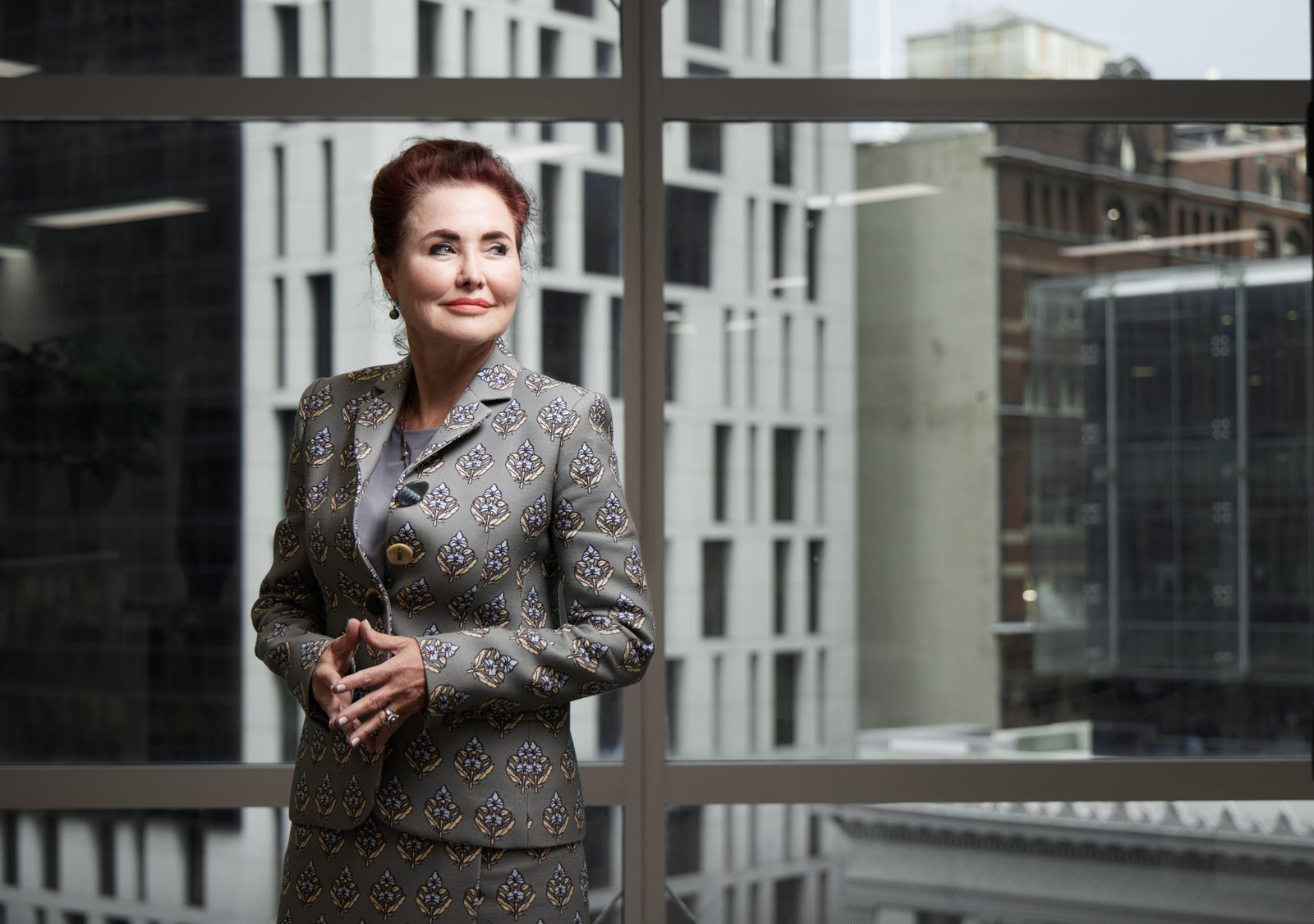
For Lisa Claes, President of Cotality, the honour is more of a leadership benchmark than a marketing badge.
Lisa recently spoke to me about what it really takes to build an inclusive workplace in technology, and why she believes this work is inseparable from business performance.

Treat culture like a core product, not a side initiative
Cotality operates at the intersection of property, capital markets, and data intelligence. Its external messaging is clear: leadership is defined by precision, not just scale.
Lisa applies the same logic internally.
“In our market, we have moved away from blunt postcode-level risk models toward true property-level intelligence,” she said. “Broad assumptions are no longer enough. The same is true of inclusion. You cannot rely on high-level commitments. You need precision in how opportunity is created and measured.”
For Lisa, that means embedding inclusion into systems, from recruitment and pay equity to performance frameworks and leadership pipelines.
“Culture is not a perk you add once you scale,” she said. “It is core infrastructure.”
Listen to lived experience, not just policy documents
Recognition from Great Place To Work is grounded in confidential employee feedback. That is what makes it credible.
“Policies are important. But women’s lived experience is what counts,” Lisa told me. “This recognition reflects how our people actually feel at work.”
She is clear that inclusion cannot be declared from the top down. It must be tested against reality.
“You have to create safe channels for feedback and be prepared to hear things that are uncomfortable,” she said. “Then you act.”
In a technology environment where decisions are increasingly data-driven, Lisa believes culture should be no different.
“Start with your data. Listen carefully. Then iterate.”
Move from mentorship to sponsorship
One of the most practical shifts Lisa advocates for is sponsorship.
“Women in tech do not lack capability,” she said. “What they often lack is visibility in critical moments.”
While mentoring offers guidance, sponsorship requires senior leaders to actively advocate for women in promotion discussions, high-impact projects, and succession planning.
“That is how you balance the scales in leadership representation,” she said.
For a company that prides itself on enabling better decisions at the moment that matters most, Lisa believes those moments also occur internally, in hiring panels, performance reviews, and strategic assignments.
“Risk either compounds or is managed intelligently. Bias works the same way.”
Align inclusion with business strategy
Cotality’s market commentary highlights that capital needs intelligence, especially in a property market sending mixed signals. Lisa sees a direct parallel between inclusive teams and smarter outcomes.
“If you are building intelligence layers for lenders, insurers, and investors, you need diversity of thought in the room,” she said. “Otherwise you are embedding blind spots into the system.”
She rejects the idea that gender equity is separate from commercial performance.
“Innovation thrives on diverse perspectives,” she said. “In technology, that is not a social argument. It is a strategic one.”
As regulatory tightening, affordability constraints, and climate risk reshape the property ecosystem, Lisa argues that inclusive leadership strengthens an organisation’s ability to navigate complexity.
“Sentiment alone is not a sufficient signal in markets. Nor is intention alone sufficient in culture. You need evidence, accountability, and follow-through.”
Build clear pathways to leadership
This year’s International Women’s Day theme from UN Women Australia is “Balance the Scales”. It is a reminder that barriers to safety, equity and justice remain deeply entrenched.
For Lisa, balancing the scales at Cotality means practical action.
“It means creating equal opportunity, building clear pathways to leadership, fostering a culture of respect and safety, supporting flexibility beyond work, and holding ourselves accountable every single day,” she said.
Clarity is key. Employees need to understand how progression works and what leadership looks like.
“When pathways are opaque, bias thrives,” she said. “Transparency is one of the most powerful tools you have.”
Hold leaders accountable for inclusion outcomes
Lisa emphasises that inclusion cannot sit solely with HR.
“Senior leaders are accountable for the culture they create,” she said. “That includes how they develop talent, how they respond to feedback and how they model respect.”
Performance conversations at Cotality extend beyond revenue and growth targets to include team engagement and inclusion outcomes.
“If leadership today is defined by precision, then that precision must apply to how we measure ourselves internally,” she said.
See recognition as responsibility, not a finish line
Despite the national recognition, Lisa is cautious about complacency.
“For all of us at Cotality, this recognition is not the finish line,” she said. “It is a reminder of the responsibility we carry to keep learning, listening and improving.”
She returns to a principle that underpins both her business and cultural philosophy.
“Equality should never be exceptional,” she said. “It should be the standard we live by every day. Together, we must not just respond to change. We must lead it, with intention, courage and care.
“For women in tech, and for the companies building the systems that shape our economy, that mindset may be the most important intelligence layer of all.”