There was a time when choosing a lipstick shade meant standing under fluorescent lighting in a beauty store, swatching three versions of the same nude onto your wrist and hoping for the best. Now? Gen Z is just as likely to experiment with a beauty look on their avatar before trying it IRL. And with the launch of makeup on Roblox, the line between digital beauty and real-world self-expression just became even blurrier.
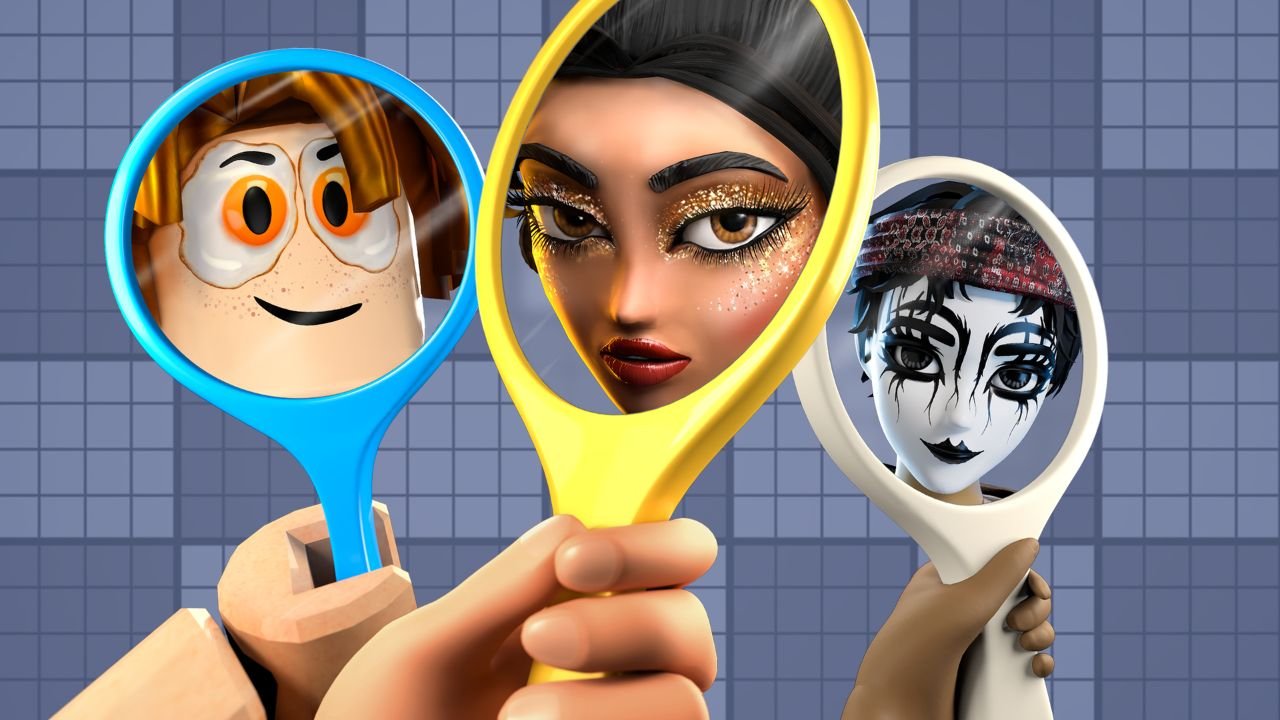
The gaming platform officially launched a brand-new makeup category for avatars this week, introducing more than 100 cosmetic items across eyes, lips, brows, lashes and full-face looks. But this isn’t just about giving avatars glossy lips or winged liner. It’s about identity, creativity and the growing influence of digital beauty culture.
For a generation raised on GRWM videos, beauty TikTok and hyper-personalised online spaces, avatar makeup feels less like a gimmick and more like the natural next step in how we express ourselves online.
And the numbers back it up.
According to new research from Roblox, 82 per cent of Gen Z makeup users say makeup in real life plays an important role in self-expression, while 87 per cent say it helps them feel more confident in who they are. That emotional connection now extends into the digital world too, with 81 per cent agreeing avatar makeup forms an important part of their online identity.
In other words, your avatar’s beauty routine is no longer an afterthought. It’s part of the main character energy.
The new system allows users to mix and match beauty elements individually, layering eyeshadow with lashes, lip colour with brows, or opting for a complete full-face look. It mirrors the way beauty enthusiasts already approach makeup in real life – curated, customised and deeply personal.
But what makes this launch especially interesting is that Roblox isn’t limiting the category to traditional beauty aesthetics. Alongside glossy lips and detailed eye makeup, users can also access face paint, camouflage, battle markings, fantasy-inspired art and theatrical transformations. One day your avatar can channel clean-girl beauty, the next it can become an anime villain, futuristic pop star or mystical wizard.
That flexibility reflects a much bigger cultural shift happening across beauty right now. Makeup has evolved far beyond simply “looking pretty”. It has become a form of storytelling, identity play and experimentation. Digital spaces just happen to give users even more freedom to explore it.
And people clearly want that freedom. Roblox revealed that users updated their avatars an average of 274 million times per day in 2025 alone. That’s an extraordinary amount of digital self-curation happening daily.
Beauty brands are paying attention too.
The platform’s research found that 83 per cent of Gen Z makeup users are interested in putting products from their favourite beauty brands onto their avatars, while 76 per cent say using branded makeup digitally makes them more likely to consider the brand in real life.
For the beauty industry, that opens up an entirely new frontier. Instead of limiting campaigns to physical products or influencer partnerships, brands now have the opportunity to create immersive digital beauty experiences that live inside gaming worlds and virtual communities.
Imagine limited-edition festival makeup looks tied to virtual concerts. Seasonal avatar beauty drops. Interactive beauty collaborations where users can test digital versions of products before buying the real thing. It sounds futuristic, but honestly, we’re already there.
The timing also makes sense. Beauty increasingly exists across multiple realities now – your bathroom mirror, your TikTok feed, your FaceTime camera and your avatar all form part of the same ecosystem. Younger consumers don’t necessarily separate “digital identity” from “real identity” anymore. Both matter equally.
And while older generations might struggle to understand why someone would spend money on virtual makeup, Gen Z sees digital presentation as an extension of the self. Just as fashion evolved from physical runways to Instagram aesthetics and gaming skins, beauty is now entering its avatar era.
Behind the scenes, the technology powering the launch is also surprisingly advanced. Roblox designed the makeup system to work seamlessly across different avatar types and facial structures, meaning creators can build one look that adapts across the platform. The makeup is layered rather than fixed, allowing users to customise combinations in a far more flexible way than many gaming systems currently allow.
Creators can even incorporate physically based rendering (PBR) effects, enabling glossy lips, metallic shadows and realistic textures that feel closer to modern beauty campaigns than cartoon face paint.
But perhaps the most fascinating part of all this is what it says about belonging.
Almost half of users surveyed said avatar makeup helps them feel part of a specific group or community, while 52 per cent said it makes it easier to find people with similar styles. Beauty has always been social. Whether it’s bonding over a signature eyeliner look, recognising someone wearing the same blush or participating in niche beauty trends online, makeup creates connection.
Now, those connections are happening in virtual spaces too.
Digital beauty is no longer some distant futuristic concept reserved for gamers or tech obsessives. It’s becoming part of mainstream beauty culture itself. And if Roblox’s new launch proves anything, it’s that the next beauty counter might not exist inside a department store at all – it could live entirely inside your avatar wardrobe.