Report by Aparna Watal, Partner, Halfords IP
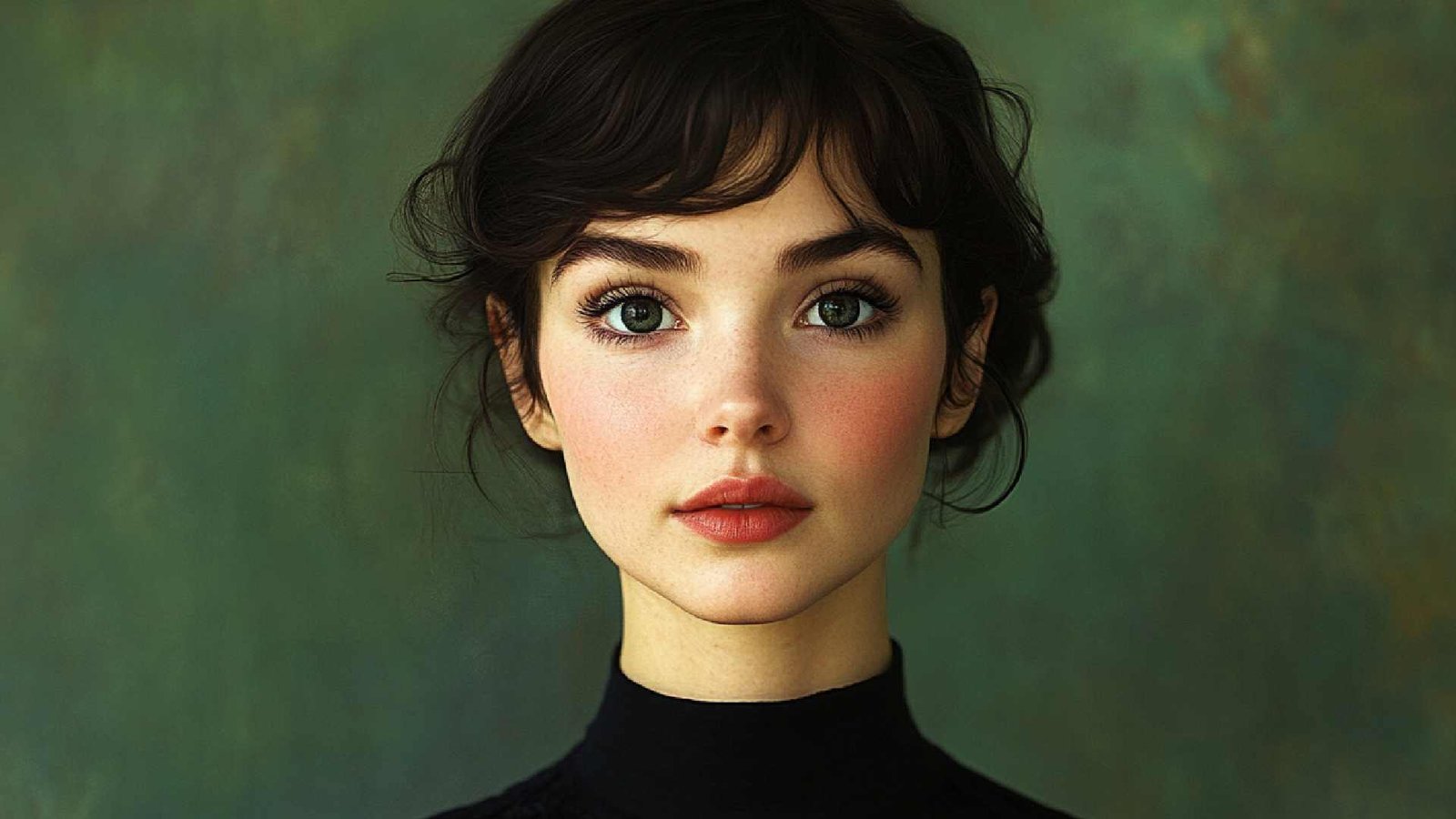
Tilly Norwood looks like a star. She smiles on a red carpet, tears up on cue, slays enemies like Jennifer Lawrence, and posts behind-the-scenes clips. But Tilly isn’t a person. She’s the first “AI actress”, as promoted by Dutch actor-turned producer-turned technologist Eline van der Velden.
Tilly came to ‘life’ through Eline’s production company Particle6 Productions Ltd and its newly launched AI talent division called Xicoia.
The reaction was immediate and blistering: SAG-AFTRA condemned Tilly as a synthetic character trained on actors’ performances without permission or compensation.
The venture’s own site leans in: “imagery, videos, voice, personality, and likeness of Tilly Norwood” are described as intellectual property managed by Particle6, positioning Tilly less as a performer and more as a proprietary entertainment asset like Labubus or Anime characters:

Source: https://www.tillynorwood.com/privacy-policy
But this framing raises a foundational question: who owns “Tilly” and what exactly is the protectable right? Is it the code, the visual outputs, the brand, some composite of all three? The company’s terms imply Particle6 ownership of the persona and outputs, though the site’s language is self-asserted and untested in court.
Hollywood’s Fault Line
Union leadership and rank-and-file actors say Tilly’s debut crystallises the fear that AI will appropriate the “inputs” of human craft. Their faces, voices, gestures, expressions, and turn them into endlessly re-usable, licensable “talent” with no residuals or labour rights.
SAG-AFTRA called for human-centered creativity and reminded producers of bargaining obligations where “synthetics” are used. The union’s critique echoes the unresolved AI flashpoints from its 2023–24 negotiations.
Eline van der Velden counters that AI is simply another tool similar to CGI or animation used by human creators to tell stories. In the studio’s telling, Tilly is a designed character with a backstory and “emotionally intelligent” persona, not a 1:1 clone of any particular artist. Still, industry analysts note that star power is a human business built on lived experience, publicity ecosystems, and fan relationships; a purely synthetic “celebrity” may struggle to gain cultural traction beyond a stunt.
Who Owns Tilly Norwood?
From an IP perspective, the rights matrix around Tilly looks something like this:
- Copyright in the building blocks: The training data may have come from copyrighted works. If any of that material was used without license, the legality depends on jurisdiction and exceptions. (More on Australia’s live debate below.) Even when training is lawful, outputs that are “substantially similar” to protected works can trigger infringement risk.
- Copyright in the language model ‘weights’: The software model (weights, code) may be protectable as well.
- Individual outputs are protectable: If they embody sufficient human authorship. In some jurisdictions, even machine-generated works can have copyright. Jurisdictions that require human authorship, human direction and involvement must be meaningful in its editing and curation if protection is to be plausible.
- Trade mark and passing off: “Tilly Norwood” could be secured as a brand name and logo for entertainment services, insulating against impostors and merch parasites. It has already been registered as a trade mark in the UK.
- Personality / publicity rights: Because Tilly is synthetic, there’s no “person” whose right of publicity is at stake, but there could be liability if the avatar evokes an identifiable human or copies a living actor’s signature look or voice. Those claims are fact-intensive and would vary by territory.
At least for now, Particle6 appears to claim unitary ownership of the “Tilly” persona and all associated media, positioning itself to license “her” like any other entertainment property. Whether that claim withstands scrutiny depends on what was used to make Tilly and on which court is asked to decide.
The Australian Angle: A Bigger Policy Fight Over “Training” Rights
Tilly’s rollout landed as Australia’s Productivity Commission floated reforms that could result in a new “fair dealing” exception for text-and-data mining (TDM) to train AI, arguing this might unlock productivity gains. Tech advocates say a tailored TDM exception, possibly limited to “lawfully acquired” materials,would clarify the rules of the road.
Creatives responded furiously. ARIA, authors and artists told Parliament that a TDM exception would effectively strip their ability to license training uses, describing it as an uncompensated extraction of value that threatens livelihoods. Submissions and commentary have stressed that licensing ecosystems already exist and could scale; the problem, they suggest, is not law but the platforms’ reluctance to pay.
The Guardian and Australian press captured the moment: artists warned of a “wipeout” if unlicensed scraping is normalized; commissioners admitted modelling on creative sector impacts was limited; and senators pressed why the Commission consulted global tech firms more than local creators.
Following the strong and vocal opposition, the Government has signalled no immediate changes to the law.
Questions Tilly Raises That The Law Has Yet to Answer
What is an “actor” in law? Unions and guilds define performers by labour, agency, and authorship. Studios may define “actor” by the deliverable on screen. If a synthetic “actor” is just software, is a “performance” merely output? And if so, whose authorship is it? When does “inspiration” from large datasets become an infringement?
If training relies on countless performances, are we comfortable with a rule that deems that use lawful, because it’s “non-expressive” or “transformative”? Or should there be collective licensing agreements similar to music collection societies that pay for the input layer?
What happens when the face looks too much like someone? If Tilly’s features trend toward a recognizable human composite, are we in look-alike territory raising passing off, misleading conduct, or publicity claims? The same question looms for AI voices that sound “inspired by” a star.
The legality of the training inputs, and the copyright status of “purely AI” outputs without material human authorship, remains unsettled and jurisdiction-specific.
Guardrails and Next Tests
Moving forward, any agency signing a studio deal would likely include indemnities around training data provenance and guardrails on resemblance to identifiable people. Expect unions to press for disclosures and residual-like compensation if synthetic performers are used alongside humans.
For now, Tilly is a mirror held up to an industry and to lawmakers asking whether the future of creativity is something we own together, license collectively, or let be programmed by those who own the machines.

About Aparna Watal, Partner, Halfords IP
Aparna Watal is a trade marks expert practising across Australia and New Zealand. She is a partner at Halfords IP, where she manages the firm’s trade marks and domain names practice. She brings extensive experience in trade marks, domain name disputes, consumer law, and copyright. She is known for her practical, commercially focused approach and dedication to empowering clients in protecting their brand identities in dynamic markets.