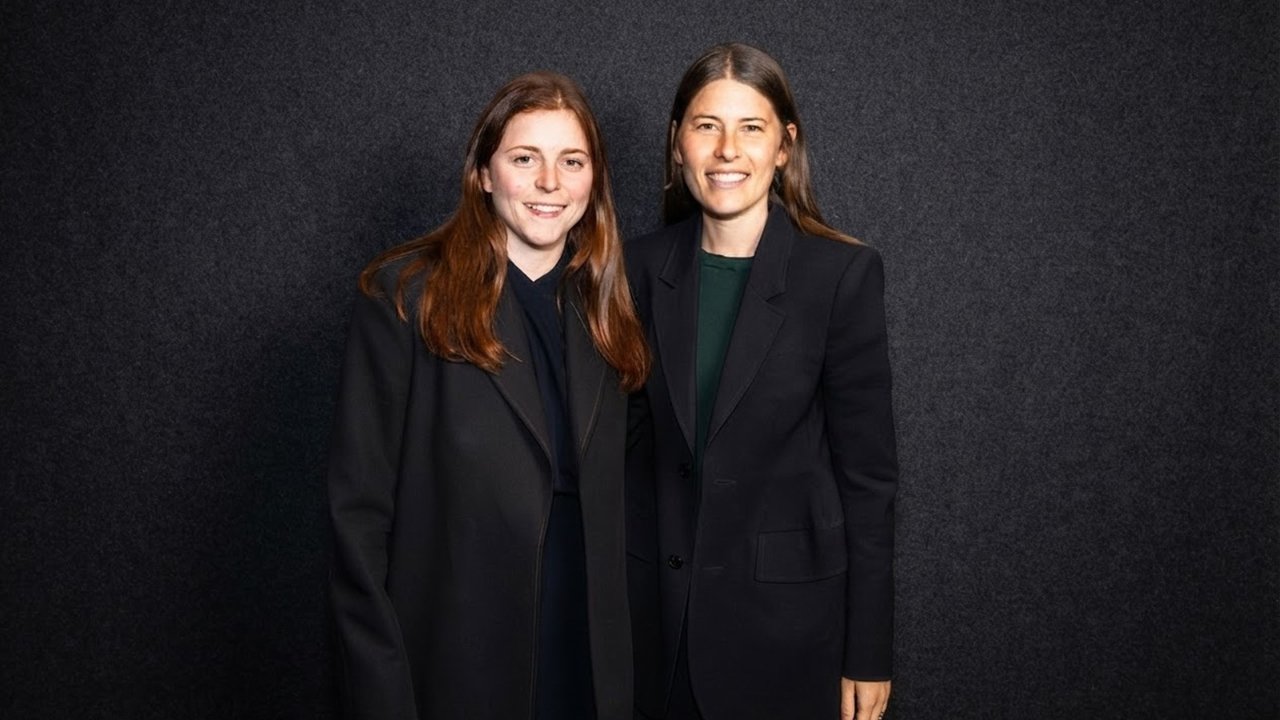
Ali and Gaby Rosenberg (main feature image) have an unusual thing in common. They are both twins – just not to each other. (Long story short: There are two sets of twins in their family and they each belong to one.)
The Sydney sisters are also co-founders of Blossom, a fintech app and platform designed to make investing in fixed income simpler and more accessible for everyday Australians.
It is an unlikely pairing of family dynamics, finance and technology that began during Covid, when the sisters found themselves living under the same roof again and talking about what was happening in the markets.
Both grew up around finance. Their father, cousins, uncles and grandparents have all worked in the industry, so conversations about money and markets were hardly foreign territory.
But the sisters noticed a problem.
While institutional and high-net-worth investors were increasingly turning to fixed income, the asset class remained difficult for everyday investors to access.

Fixed income essentially involves investing in assets such as corporate and government bonds. In simple terms, investors lend money to companies or governments in return for interest.
Ali and Gaby saw the potential to earn more on their money than traditional savings accounts while avoiding the level of market volatility that comes with shares.
When they tried to invest themselves, however, they found an experience that felt complicated, expensive and geared towards wealthier investors. High minimum investments, fees and lengthy lock-ups created barriers that made fixed income feel out of reach for everyday investors.
That was their lightbulb moment.
“We thought, why shouldn’t regular Australians have access to the same asset class?” the sisters set out to solve.
The pair saw an opportunity to use technology to open up fixed income investing in much the same way platforms such as Stake and Coinbase had made other types of investing more accessible.
They began building Blossom while continuing to work elsewhere. Gaby eventually went full-time, while Ali worked on the business at nights and on weekends.
Starting a fintech in Australia also meant that the sisters had to navigate the less glamorous side of entrepreneurship, from fund management and licensing to app development, legal requirements and compliance.
They launched Blossom in June 2021, less than a year after having the original idea and while both sisters were still in their 20s.
The name has a family connection, too. Blossom was the nickname given to their late grandfather Bert by his mother.
Building a financial services company at such a young age came with another challenge: earning trust.
As two women in their 20s entering an industry where people often associate credibility with years of experience, Ali and Gaby had to prove they could build something people would trust with their money.
They also had to explain an investment category that many Australians knew little about.
Three months after launch, Blossom had reached $10 million in funds under management.
Today, the platform has more than 34,000 users and approximately $179 million in funds under management, with the sisters aiming to reach $200 million by the end of the year.
More than half of Blossom’s funded users are women – something that matters to Ali and Gaby, even though the platform is not exclusively designed for women.
Their broader goal is to make investing feel less intimidating for anyone who has ever felt that finance comes with its own secret language.
Blossom has since expanded beyond individual investors, offering individual and joint accounts, kids accounts, business accounts, Self-Managed Superannuation Fund accounts and charity accounts.
The company also expanded into New Zealand in 2025, with ambitions to enter more markets globally.
For Ali and Gaby, the bigger idea is simple: investing does not have to be reserved for people who already understand the financial world.
And perhaps that is the most interesting part of their story. They did not set out to make finance more complicated. They saw something that seemed unnecessarily difficult and used technology to make it easier to access.
That is a pretty good example of what women in tech can do when they spot a problem that others have simply accepted as the way things work.