Some corporate partnerships come and go in a wave of greenwashing. This one just got a three-year renewal. And it’s putting real money behind real forests.
WWF and Seiko Epson Corporation have officially launched the second phase of their International Corporate Partnership, building on a relationship that’s already left a mark on forest conservation across two continents. The goal driving it all: “Nature Positive,” the internationally recognised push to halt biodiversity loss by 2030 and start turning the tide toward recovery.
How It All Started
Back in March 2023, Epson became the first Asian company to join Forests Forward, WWF’s flagship programme for corporate action on forests — and, notably, this was also the first international partnership WWF had struck with a Japanese company in the electronics and precision instruments space. Over the following three years, Epson donated 240 million yen to WWF, with funds directed toward forest conservation work in Southeast Asia and South America. That early investment helped support conservation progress across multiple landscapes, tackling deforestation pressures and strengthening habitat protection along the way.
What’s New in Phase Two
Phase two isn’t just a continuation – it’s a sharpening of focus. Epson is committing another matching 240 million yen over the next three years, this time directed toward Indonesia, Thailand, and Brazil – three regions where deforestation pressures run especially high and where Epson’s own business operations have direct ties. WWF will lead the on-the-ground work: protecting existing forest ecosystems, conserving biodiversity habitats, and pushing back against further natural forest loss.
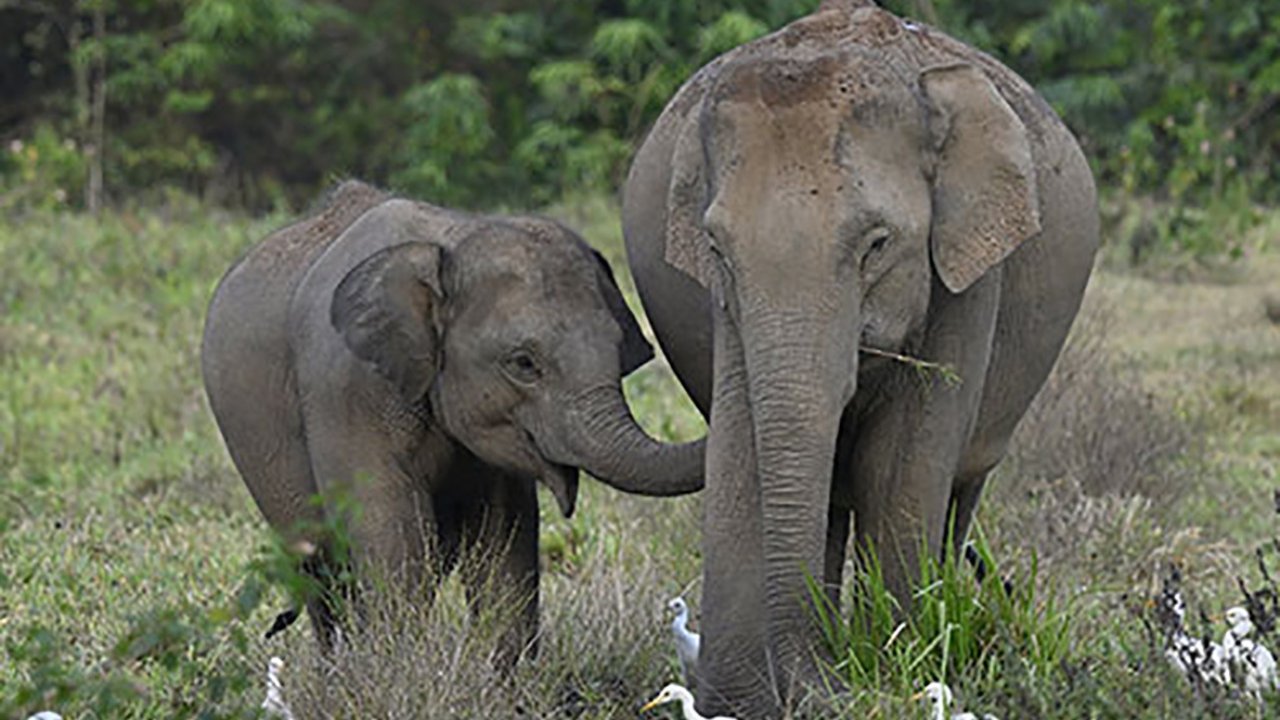
It’s not hard to see why these landscapes matter. In Thailand, conservation teams are working alongside local communities to protect habitat for Asian elephants, a species pushed toward the brink largely by habitat loss. In Indonesia, researchers are setting up camera traps to study the wildlife living deep within the country’s forests – quiet, patient work that builds the evidence base for long-term protection.

Looking Inward, Too
The partnership isn’t only about funding conservation elsewhere – it’s also about Epson getting its own house in order. As a company that makes printers and other paper-reliant products, responsible sourcing of forest resources sits close to the core of its business. In this next phase, Epson has committed to formalising a deforestation-free supply chain, improving traceability, and working more closely with suppliers, all in line with the global Accountability Framework initiative.
In Their Own Words
“Our collaboration with Epson during Phase 1 served as an excellent example of how private companies can contribute to global forest conservation,” said Sadayosi Tobai, CEO of WWF Japan, adding that Epson’s role as the first Asian company in Forests Forward showed real leadership on the global stage.
Junkichi Yoshida, President and CEO of Seiko Epson, echoed that sentiment: “The situation facing the world’s forests continues to be challenging, and we recognise the importance of continuing to address these challenges and taking action.” He pointed to the partnership’s progress so far as proof of just how central forest conservation is to tackling both biodiversity loss and climate change.
Why It Matters
Forests do a lot of quiet, unglamorous work – storing carbon, sheltering biodiversity, regulating regional climates – and they’re disappearing faster than most people realise. Partnerships like this one won’t single-handedly reverse that trend, but they represent something increasingly rare: a company treating environmental responsibility as core business strategy, not just a side project.
With Phase 2 now underway, Epson and WWF are betting that steady, long-term investment – not just good intentions – is what it’ll take to get the world’s forests back on a path to recovery by 2030.