October 1 marks International Women in AI Day, and the timing couldn’t be more pointed. As organisations rush to build AI into everything from customer service to critical infrastructure, people are deciding questions of trust, security and governance right now – and often, whoever happens to be in the room makes the call, whether or not they represent the full range of users the system will eventually serve.
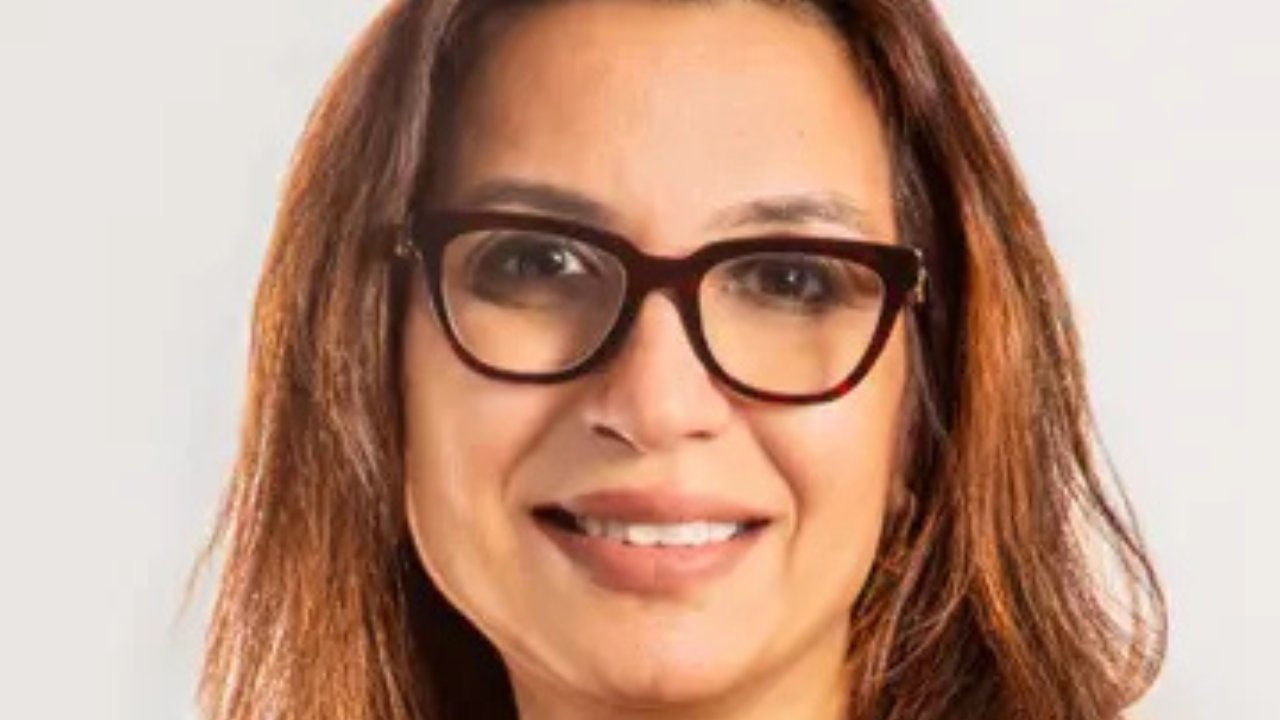
According to Smartsheet Chief Product and Technology Officer Pratima Arora (main feature image), that room is still far too narrow. In Australia, women make up just 20% of the technical workforce, despite booming demand for digital and cyber skills. Arora traces her own awareness of the gap back to her first computer science class, where she counted herself among just three women in a lecture hall of fifty students. “For years I felt the need to prove my technological abilities, long before I understood how uneven that expectation was,” she says — a line that will likely resonate with any woman who has sat in a boardroom or a codebase review and felt the extra scrutiny before she’d even opened her mouth.
That early experience now shapes how she thinks about AI and security at an industry level. “The world isn’t built by one kind of person, so the technology defending it shouldn’t be either,” Arora says. “Attackers don’t think alike, so defenders can’t either – diverse teams spot threats a single kind of thinking misses. Homogeneous teams build systems with homogeneous blind spots.” It’s a framing that reaches beyond good intentions into hard risk management: when a security team keeps imagining threats the same way it always has, attackers can catch it off guard precisely because its thinking never changes.
It’s a point that lands differently once you consider how teams actually make security decisions. Trust, Arora argues, isn’t something anyone can bolt onto a finished system. “By then, teams have already made the decisions about data, access and governance,” she says. **”**Trust is architectural, and architecture reflects who designs it.” Her conclusion is blunt: organisations need women and underrepresented groups at the table from the start, not folded in once the system is already working for some people and failing others. That distinction matters because retrofitting inclusive design after launch doesn’t just take more effort — it often forces teams to rebuild the core assumptions they built the system on in the first place, assuming that’s even possible.
As AI systems increasingly shape how people bank, communicate and access essential services, who gets a seat at the design table isn’t a diversity footnote. It’s a security question, and arguably a competitive one too, given the growing body of evidence that diverse teams outperform homogenous ones on complex problem-solving. This International Women in AI Day, that’s worth sitting with.