In the lead-up to Neurodiversity Pride Day on June 16, it’s worth pausing on a story that doesn’t always get told in full. For many neurodivergent young people, online gaming isn’t just entertainment – it’s a lifeline to connection, confidence, and community in ways that can be harder to access offline.
With an estimated 15–20% of Australians identifying as neurodivergent, understanding how digital spaces are shaping social experiences is becoming increasingly important for families, educators and platforms alike.
Recent research from Roblox and digital parenting organisation Internet Matters shows just how central gaming has become in the lives of neurodivergent young people. Nearly all (90%) of those surveyed aged 11–17 regularly play online games, and for many, these spaces offer something deeply meaningful: belonging.
More than half (51%) said online gaming helps them make friends, around a third (31%) said it gives them a sense of community, and 42% said it helps them relax. In a world where more than half (56%) of neurodivergent young people report that fitting in socially at school is their biggest challenge, these digital environments are filling a real gap.
But like all online spaces, gaming is layered. The same research also shows that while the benefits are often amplified for neurodivergent players, so too can the challenges be.
Around one in five (21%) young people said gaming can sometimes make them feel unhappy, while 27% found sensory aspects of games difficult, and 23% struggled with accessibility features. Only 44% said they know how to report upsetting content or users – a gap that highlights just how important clear, accessible safety education is.
Still, for many families, the positives are hard to ignore. Nearly two in three parents say their child has learned important offline skills through gaming, and 59% believe it has helped improve communication skills. It’s a reminder that digital play, when supported well, can translate into real-world confidence.
Rachel Huggins, Chief Executive Officer at Internet Matters, says the findings point to both opportunity and responsibility.
“Our research shows that gaming is not just about entertainment – for many neurodivergent young people, it can offer a genuine space to connect, build confidence, and feel understood in ways that aren’t always accessible offline,” she explains.
“But the study also highlights a clear need for tailored guidance to help neurodivergent young people and their families navigate online gaming in a safe and healthy way. With the right support, playing video games online can bring a real sense of community and belonging.”
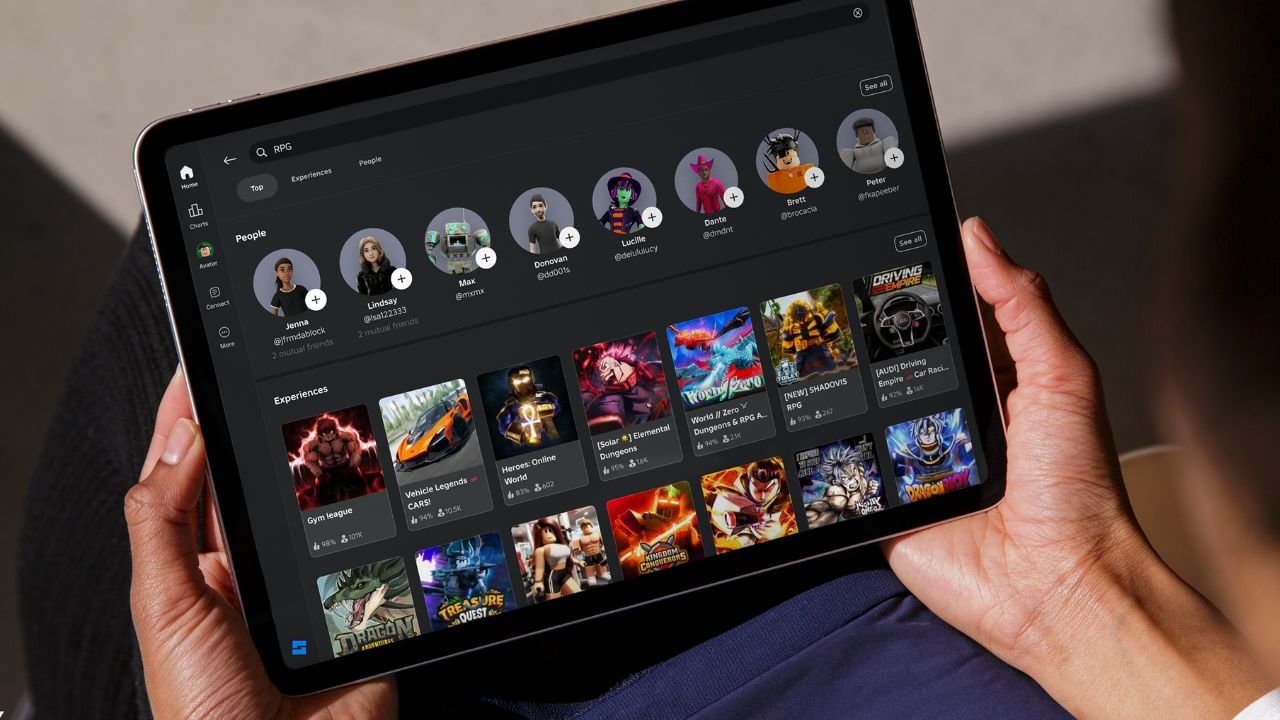
One of the most striking findings is just how embedded gaming is in everyday life, with 93% of neurodivergent young people surveyed playing Roblox alone. It’s a platform that has become a social hub as much as a game – and one that now sits at the centre of new safety initiatives designed specifically for families.
In response, Roblox and Internet Matters have developed practical guides for parents and carers, aimed at helping families better understand both the benefits and risks of online play.
Laura Higgins, Senior Director of Community Safety & Civility at Roblox, says the goal is to close a clear knowledge gap.

“This research found that there’s a real need for greater support to help young people and their families navigate online spaces safely and confidently,” says Laura. “That’s why we’ve worked together with Internet Matters to develop useful guidance, designed specifically for parents of neurodivergent young people, to help them enjoy the benefits of gaming while understanding and managing potential issues.”
As Neurodiversity Pride Day approaches, the conversation naturally shifts from awareness to action – and for families, that often begins at home.
Experts suggest that the most effective support isn’t about restricting access, but about building understanding, structure and open communication.
Setting clear boundaries around gaming can help reduce overwhelm and fatigue, particularly for young people who thrive on routine and predictability. Simple tools like visual schedules, agreed time limits, and designated gaming times can make expectations easier to follow and reduce friction.
Equally important is keeping conversations open and judgment-free. Asking questions like “What did you enjoy most?” or “How did that game make you feel?” helps children reflect on their experiences, while playing alongside them can offer valuable insight into their digital world.
Supporting confidence in online interactions is also key. For some neurodivergent young people, gaming can be an important space to practise communication skills, but social cues online aren’t always easy to interpret. Talking through what respectful behaviour looks like, role-playing scenarios, and reinforcing that it’s okay to leave a game if something feels wrong can all build confidence over time.
Digital safety skills also play a major role in helping young people become more independent online. This includes understanding what personal information is, recognising red flags like requests to move conversations off-platform, and knowing how to block or report users when needed.
Parental controls can also support healthier boundaries around screen time and spending, but experts emphasise they work best when paired with ongoing conversations and involvement, rather than used in isolation.
Ultimately, the message from both researchers and industry leaders is consistent: online gaming is not a one-dimensional experience. For neurodivergent young people, it can be a place of joy, creativity and belonging – but also one that benefits from thoughtful support.
As Neurodiversity Pride Day is marked on June 16, it offers a timely reminder that inclusion doesn’t stop at awareness. It extends into the spaces where young people already spend their time, build friendships and learn who they are – including the digital worlds they log into every day.