


Gleb Tsipursky, PhD, a behavioural scientist, explains why smart glasses need consent by default.
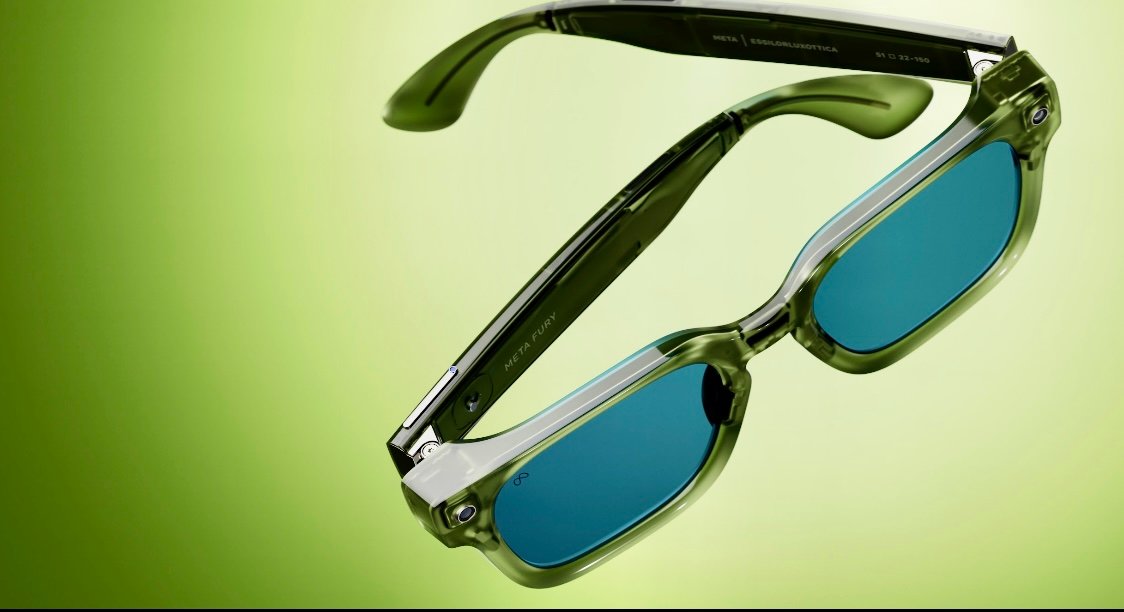
Smart glasses are becoming less conspicuous at exactly the moment their cameras and AI features are becoming more capable. That combination creates a design problem that etiquette alone will not solve.
Australia’s eSafety Commissioner has now called on smart-glasses manufacturers to automatically blur the faces of people recorded without consent and to make recording indicators unmistakable. The proposal follows complaints about people, including women, being filmed without knowing it and having those interactions posted online.
That response gets the behavioural problem right. A privacy system fails when it gives all the work to the person with the least information and the least control.
Today, a bystander may have to notice a tiny light, understand what it means, decide whether recording is happening, judge whether objecting is safe, and then persuade the wearer to stop. The person holding the device already knows what the glasses can do and controls whether the recording continues.
Product designers should reverse that burden.
First, make recording obvious. A visible indicator should be clear enough that someone several feet away can understand it without knowing the product. A subtle signal may preserve the look of the device, but it does little for meaningful notice. If recording becomes easier to miss as hardware becomes more elegant, the design has moved in the wrong direction.
Second, minimise what the system keeps by default. Automatic face blurring is one example. Local processing that avoids sending unnecessary footage to the cloud is another. A device should collect the minimum information needed for the user’s task before asking people around the user to manage the consequences.
Third, create a usable objection path. Consent cannot depend on a stranger knowing the right command, app, or policy. Manufacturers could support a simple spoken request to stop recording, a standard gesture recognised by the device, or another accessible signal that pauses capture until the wearer makes a deliberate choice.
That last step matters because defaults should reduce casual privacy violations without pretending every recording context is identical. Journalism, documentation of misconduct, accessibility uses, and personal safety can create legitimate reasons to record. A well-designed system can allow an override while making the choice visible and preserving an audit trail.
Fourth, make the wearer accountable for overriding the privacy default. If a user chooses to continue recording after an objection or turns off protective features, the device can make that decision explicit. Accountability changes behaviour because it replaces frictionless action with a moment of judgment.
This principle applies well beyond smart glasses. AI products increasingly act through microphones, cameras, calendars, email, location data, and workplace systems. Companies often respond to risk by adding another policy page or warning screen. Those measures assume people will read, remember, and correctly apply rules at the exact moment they matter.
Behavioral science gives us reason to expect otherwise. People rely on defaults, act quickly under social pressure, miss ambiguous signals, and underestimate risks that feel remote. Good design accounts for predictable human behaviour rather than requiring perfect vigilance.
The goal should be practical trust. Australian privacy research shows how low trust in AI remains, which makes understandable controls part of the adoption problem. Consumers will adopt useful wearable technology more readily when they can understand what it is doing and when people around them have a meaningful way to protect their boundaries.
That is why the eSafety Commissioner’s proposal deserves attention even before regulators decide what to mandate. Manufacturers can treat automatic blurring, clear recording indicators, objection mechanisms, and accountable overrides as product-quality features now. Australia’s updated facial-recognition guidance already stresses a precautionary approach and meaningful privacy assessment.
Smart glasses will keep getting smaller, smarter, and more useful. Their privacy controls need to become more visible and more capable at the same time.
About Gleb Tsipursky, PhD
Gleb Tsipursky, PhD, a behavioural scientist, CEO of Disaster Avoidance Experts, and author of The Psychology of AI Adoption at Work: From Resistance to Results (Georgetown University Press, 2026).

