Skin care put K-beauty on the map. But now, the technology is moving below the neck and is running through a handpiece that uses the same frequency as your kitchen microwave. Here’s why women are booking flights to try it.
The numbers behind the boom
The scale of the trend is hard to ignore. Korea treated 2.01 million foreign patients in 2025, the first time it has passed 2 million since data collection began in 2009, driven largely by demand for dermatology and plastic surgery. That’s a 71.9 percent jump on 2024, and the majority of visitors sought non-surgical aesthetic care. Dermatology clinics drew 62.9% of international patients, and plastic surgery drew 11.2%. The travellers are also coming from further afield. The US contributed roughly 173,000 patients, up more than 70 percent year on year. Korea tops 2 million foreign patients for 1st time as aesthetics drive surge.
Analysts point to a shift in what people are travelling for. The market now centres on repeat visitors who want preventative, minimally invasive treatments that can be done within hours, leaving time to explore Seoul. A treatment that needs no recovery time suits that kind of trip
How Does Onda Body Contouring Work?
Onda is made by Italian company DEKA and uses what it calls Coolwaves. Most body-tightening devices rely on lasers or radiofrequency, which deposit their energy near the surface. Onda takes a different route.
It uses a 2.45 GHz microwave frequency that bypasses the top layer of skin and goes straight for the fat cells. That is the same band as a household microwave oven, although the handpiece is a precisely controlled medical device. Around 80% of the energy is absorbed by fat cells, and the remaining 20% reaches the dermis, where it has a secondary skin-tightening effect. The manufacturer contrasts this with radiofrequency, where the energy is dispersed much more superficially, in the dermis and epidermis.
The treatment does three jobs at once.
Fat reduction. Localised fat cells are destroyed and then cleared by the body’s lymphatic system. The cleared contents drain away over roughly 2 to 3 months.
Cellulite. The energy acts on the connective tissue between fat lobules, which is what pulls the skin into that orange-peel texture.
Skin firming. Collagen fibres in the dermis shrink immediately, and the treatment stimulates new collagen production.
Comfort is built into the design, with 7mm and 12mm tips that target the fat layer while stimulating the dermal tissue. A contact-cooling system protects the outer skin. Patients can go straight back to daily activities. Side effects such as redness, itching, swelling and numbness are generally temporary.
There is early clinical evidence behind it. One study cited by the UK distributor reported that participants’ average Cellulite Severity Index fell from 9.2 to 4.2 after four treatments. That result comes from a distributor’s summary, so treat it as promising rather than definitive. The technology is also still young. An international advisory board noted that long-term efficacy and safety data are still missing
It’s worth being clear about what Onda is not. It is not a weight-loss tool. It’s aimed at stubborn areas such as the abdomen, flanks, upper arms and thighs, and at mild skin laxity. It may not suit people with pacemakers or metal implants, or those whose skin laxity would need surgical lifting.
Seoul Searching For a Clinic: PPang in Hongdae
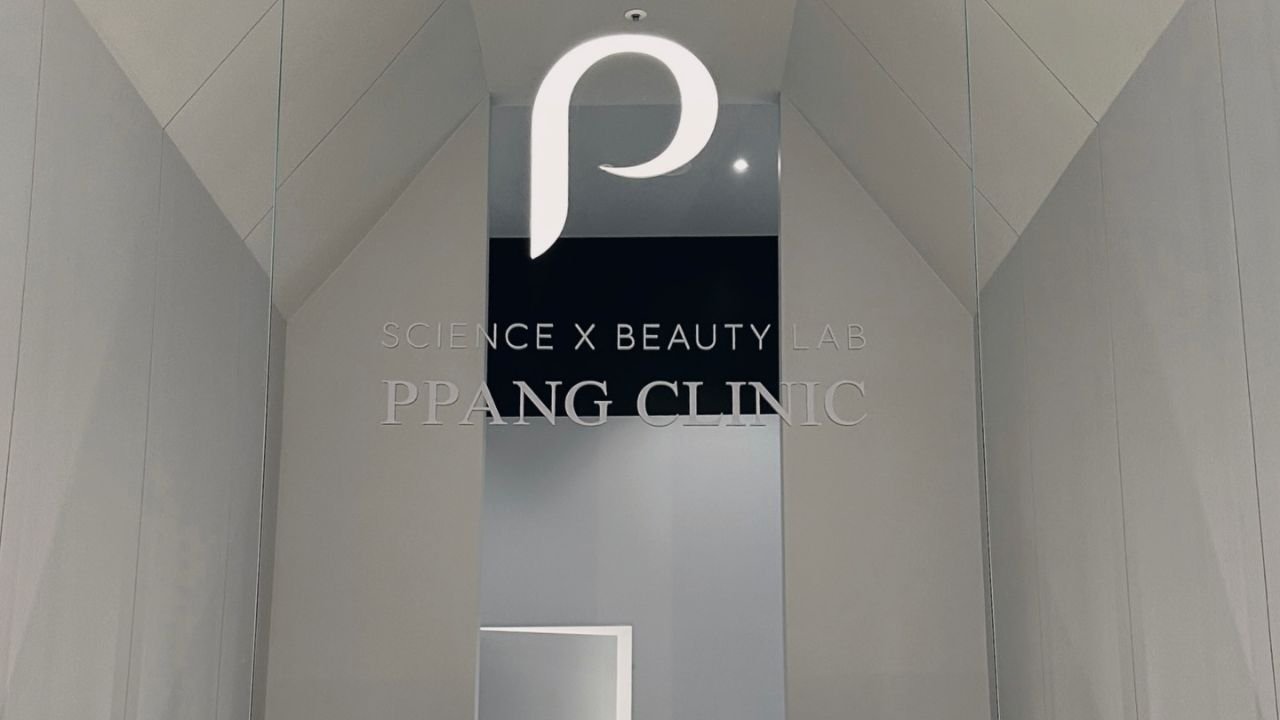
PPANG Clinic sits on the 9th floor of the H-CUBE building, 140 Yanghwa-ro, Mapo-gu. That is right by Hongik University Station and in the same building as the Apple Store. It positions itself around the idea that science and aesthetics come together to create personalised body-transformation solutions. It describes itself as a lab researching body shape and petite care.
The most distinctive touch is the “VIP Data Room.” It is a hotel-class private room with a panoramic view of Hongdae, where your data is analysed and your treatment designed in complete privacy. The idea is that the plan is built around your measurements and goals rather than a menu of treatments.
That fits how PPANG sells Onda: not as a single machine session but as part of a designed programme. The clinic also runs seasonal packages, including “Design ONDA” bundles for face and body shaping.
For international visitors, the practical details matter. Patients get 1:1 doctor consultations and a 3D body scanner, and staff can support you in English and Korean.
Hongdae is also one of Seoul’s easiest neighbourhoods for visitors, with airport rail access and plenty of cafes, shopping and street food on the doorstep. Because Onda has no real downtime, a session can slot between a morning of exploring and an evening out. Aftercare is simple: skip alcohol and saunas on the day, and be diligent with sun protection and moisturiser.
Reported results usually involve a course of 4 to 6 sessions spaced 1 to 2 weeks apart, so plan the trip length around your protocol and ask the clinic what’s realistic in a single visit. And then finding a local clinic back home to follow up.