


By Sarah Beardmore
He was lying in a hospital bed with a fresh shark bite to his foot, and the first thing he did wasn’t call the media. He messaged us. He didn’t want his name out there, didn’t want cameras at his door, he just wanted one thing, for the rest of his local community to know a shark had been active at that beach before anyone else paddled out.

That message is basically the whole reason I do this.
What you need to know about me is that I’ve built Australia’s leading shark sighting platform, one that’s helped keep people safe in the water for over a decade. These days a lot of people describe it as the “Waze of the ocean,” and I’ll admit, I’m pretty happy by that comparison. Just like Waze keeps people safe on the roads by getting everyday drivers to report what they see, I believe Dorsal does the same thing for the ocean, using that same consumer generated content to help people make better decisions about sharks. We’re closing in on 600,000 downloads now, built almost entirely on word of mouth. But how I actually landed in technology, that’s the more interesting story.

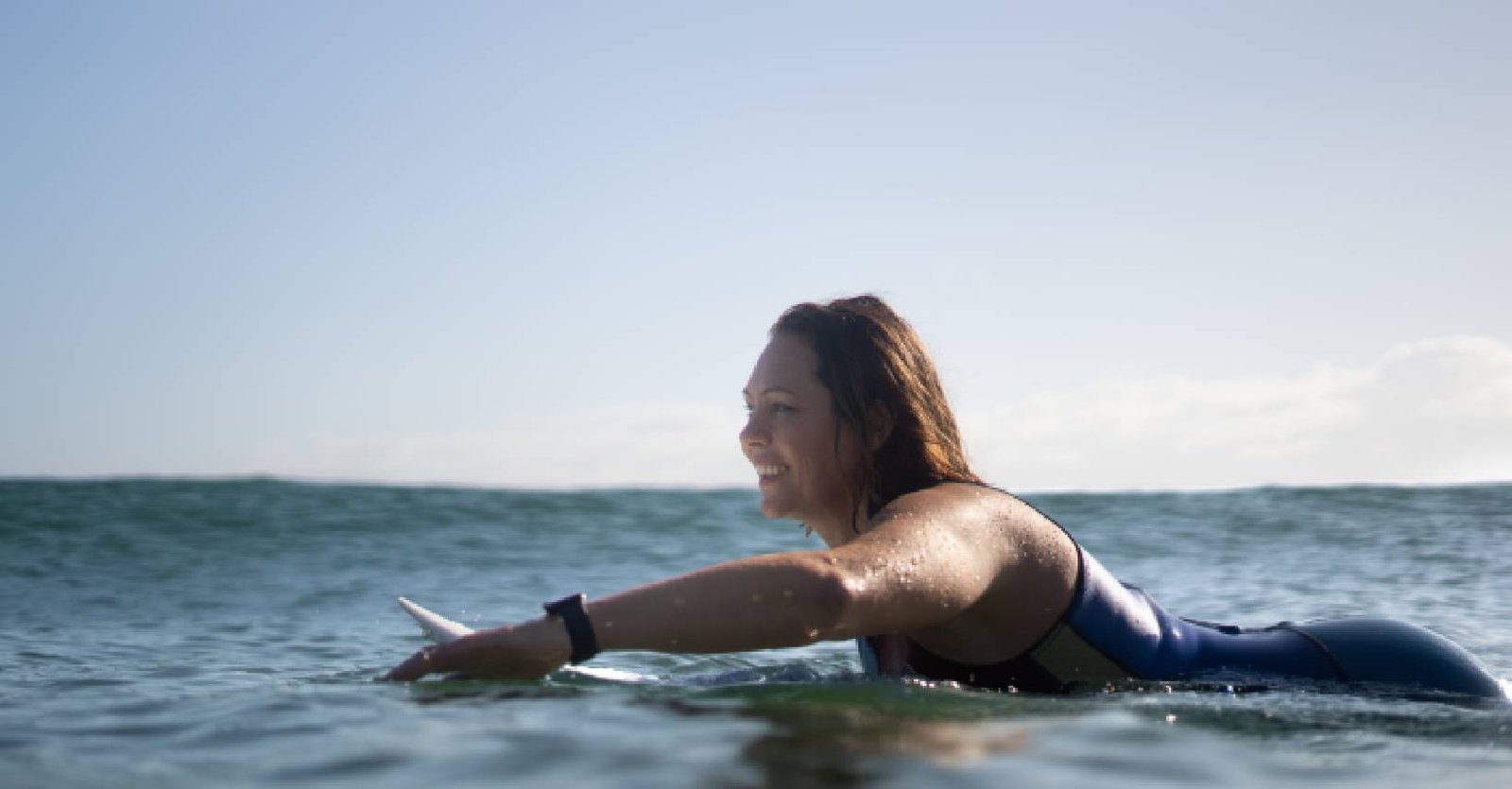
I didn’t grow up wanting to work in tech. I grew up wanting to be a professional surfer, and for a while, I was one. I competed for Australia and for England, picked up British, English and European titles, and spent years chasing the World Qualifying Tour around the globe. It was, genuinely, the best job in the world.
While I was on tour I studied a business degree externally, mostly because I had a feeling this lifestyle wouldn’t last forever and I wanted to be ready for whatever came next. I didn’t know at the time that “whatever came next” would be an app. I just knew I wasn’t done being curious.
After I stopped competing, I wasn’t ready to give up the travel or the ocean, so I found ways to stay in that world. I worked at a surf camp in Nicaragua, then landed in the middle of the San Francisco and Santa Cruz startup scene, close enough to keep surfing while I taught myself everything I could about building mobile apps, wireframing, UX, marketing, all of it, mostly by getting stuck in and figuring it out.
Dorsal came out of something much simpler than a business plan, though. Surfing has this code to it. Surfers look after surfers. If you spot something in the water, you tell the person about to paddle out, because that’s just what you do. In 2015, after a run of shark incidents on the NSW north coast, I met my co-founder, who was already trying to build something that let anyone report a shark sighting. We got talking about how, again and again, someone nearby had actually seen the shark beforehand, a diver, a surfer, someone on the beach, but there was no way to get that information to the person deciding whether to paddle out. That gap is the whole reason Dorsal exists.

Which brings me back to that message from the hospital bed. He didn’t want sympathy, or attention, or anything for himself. He just wanted other people at the beach to know. That’s the whole spirit of this thing, one looking out for the others, and it’s the same instinct I’ve had myself. A few years back, near where I usually surf around Ballina, two surfers were bumped by sharks within the space of an hour, and there was another sighting reported not long after, all of it logged on Dorsal. I saw it and decided to surf somewhere else that day. Simple as that.
We’ve grown Dorsal into Australia’s largest shark sighting platform without ever spending a cent on marketing, just word of mouth between people who trust it. Actually, I may have spent 100 bucks in the early days, but you get what I mean! And while it would be great to eventually make the kind of money that Waze did when it sold to Google for $1.3 billion, right now I’m chasing what Waze proved. That a platform gets more useful, and more valuable to everyone in it, the more people show up for each other on it.
Over the next couple of months, we’re launching two things I’m genuinely excited about. The first is a smartwatch app, so if a shark’s reported nearby while you’re swimming or surfing, you’ll feel it on your wrist and can get out of the water straight away, not after you’ve walked back up the beach and checked your phone. The second is giving drone operators the ability to report a sighting directly from their device, so the people already flying and watching the water can feed straight into the system in real time. Both of these feel like proper game changers to me, and they’ll be ready in time for summer.

That’s actually why we’re giving our Dorsal community the opportunity to buy shares in the platform, for as little as $250, via an equity crowdfunding raise on Birchal. For eleven years this has been built by people who believed in it before there was any commercial reason to. It felt right to let that same community become part owners of what happens next, rather than just users of it.

If there’s anything I’d want other women to take from my story, it’s that you don’t need a technical background to build something in tech. You just need to understand a problem you actually care about, and be willing to learn the rest as you go. I learned to build an app the same way I learned to read a wave, by getting in and paying attention.

